NEWS
Exploring the Responsible Use of Generative AI in Education: MPBI Hosts National Webinar on Ethics, Practices, and Collaboration
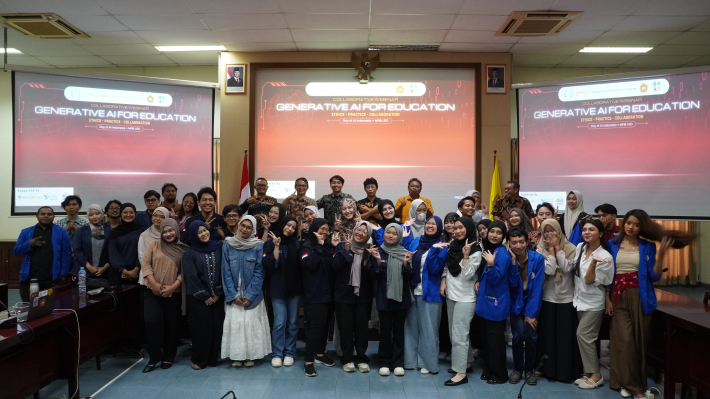
May 22, 2026 - The English Education Master's Program (MPBI) at Sanata Dharma University, in collaboration with Day of AI Indonesia, successfully organized the national webinar "Generative AI for Education: Ethics, Practices, and Collaboration." The event brought together educators, researchers, university students, and education practitioners to discuss the growing role of Generative AI in education and the importance of using the technology ethically, critically, and responsibly.
As Generative AI continues to reshape educational practices, the webinar served as a platform for examining both the opportunities and challenges presented by AI-powered technologies. Rather than focusing solely on technological advancement, the discussion emphasized how AI should be integrated into education in ways that continue to prioritize human judgment, ethical decision-making, and meaningful learning experiences.
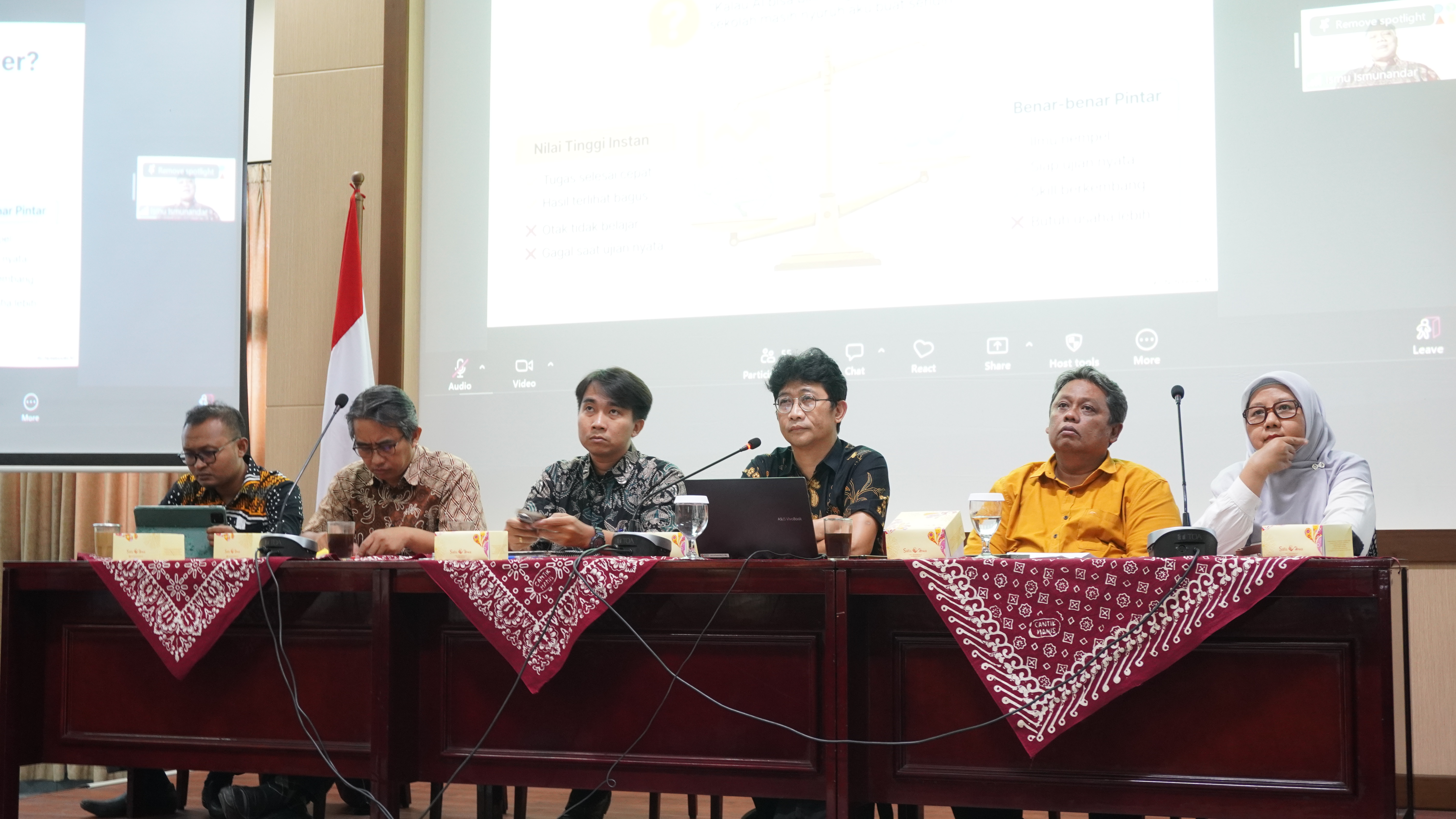
The webinar highlighted the increasing influence of Generative AI across various aspects of education, including lesson planning, academic writing, assessment, feedback, translation, content development, and independent learning. These developments have created new possibilities for making learning more flexible, accessible, and responsive to learners' diverse needs. At the same time, the speakers encouraged participants to view AI not merely as a tool for improving efficiency but as a technology that is changing the ways people think, learn, create knowledge, and interact with information.
One of the central themes of the discussion was the need to approach AI adoption with critical awareness. While AI offers considerable educational potential, its rapid implementation has also raised important concerns regarding academic integrity, unequal access to technology, algorithmic bias, excessive dependence on AI tools, and the possible decline of learners' critical thinking when technology is used without sufficient reflection. These issues underscore the importance of developing AI literacy that extends beyond technical skills to include ethical understanding and responsible decision-making.
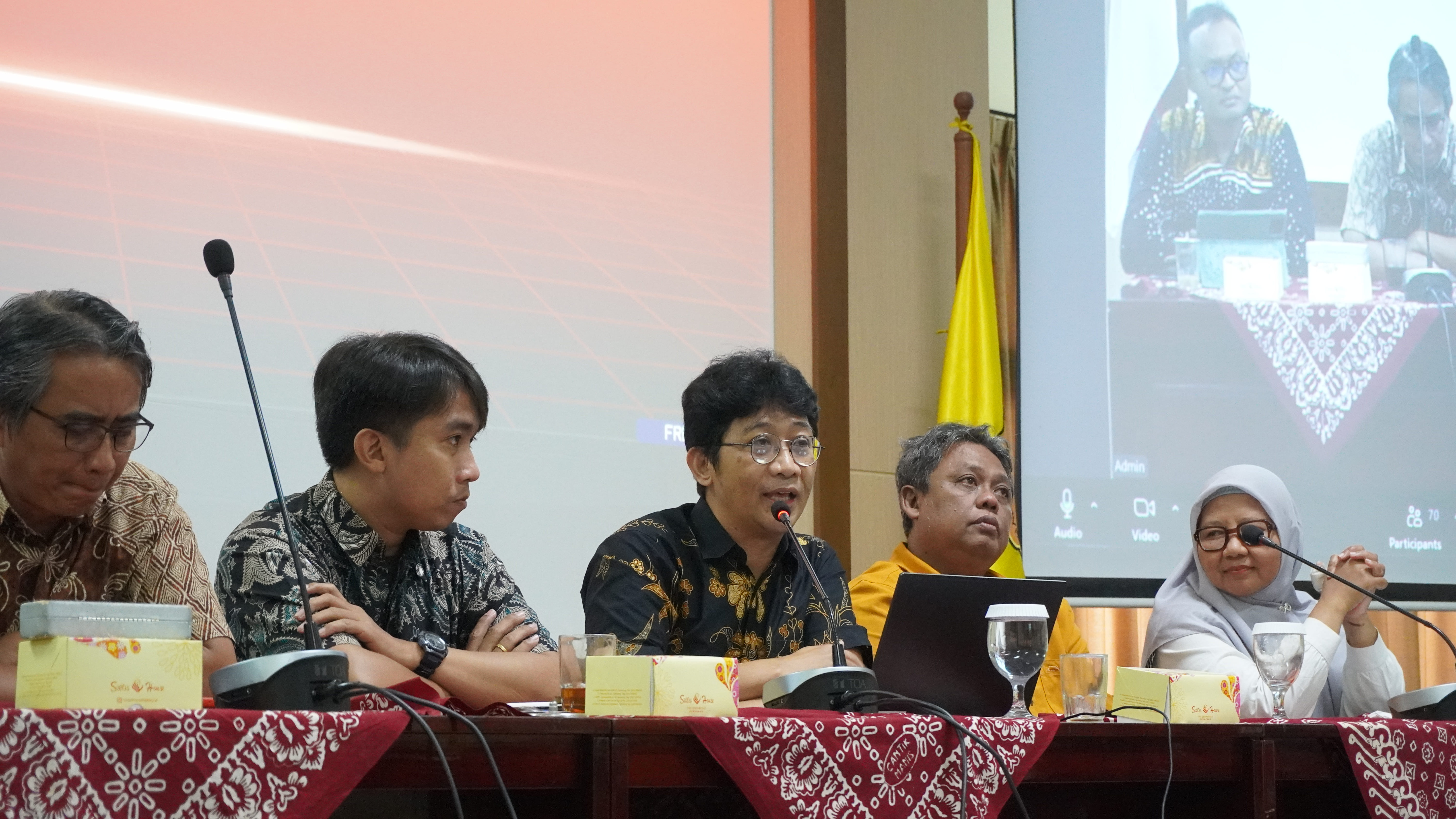
During the webinar, participants were also introduced to recent findings from educational research. Although research on Artificial Intelligence in education has grown rapidly, only a limited number of studies currently provide strong causal evidence demonstrating that AI directly improves student learning outcomes. Much of the existing research remains short-term or has been conducted outside K–12 educational contexts. These findings reinforce the need for educators to evaluate AI integration based on empirical evidence rather than technological trends alone.
Another important issue addressed was the growing gap between students' adoption of AI technologies and their understanding of how these systems operate. As AI tools become increasingly accessible, learners may rely on them without developing sufficient awareness of their limitations. This condition may contribute to what researchers describe as cognitive debt, where excessive dependence on AI gradually reduces learners' ability to think independently, solve problems critically, and construct knowledge through their own reasoning. The discussion therefore emphasized that AI literacy should equip learners not only to use AI effectively but also to question, evaluate, and regulate its use in educational contexts.
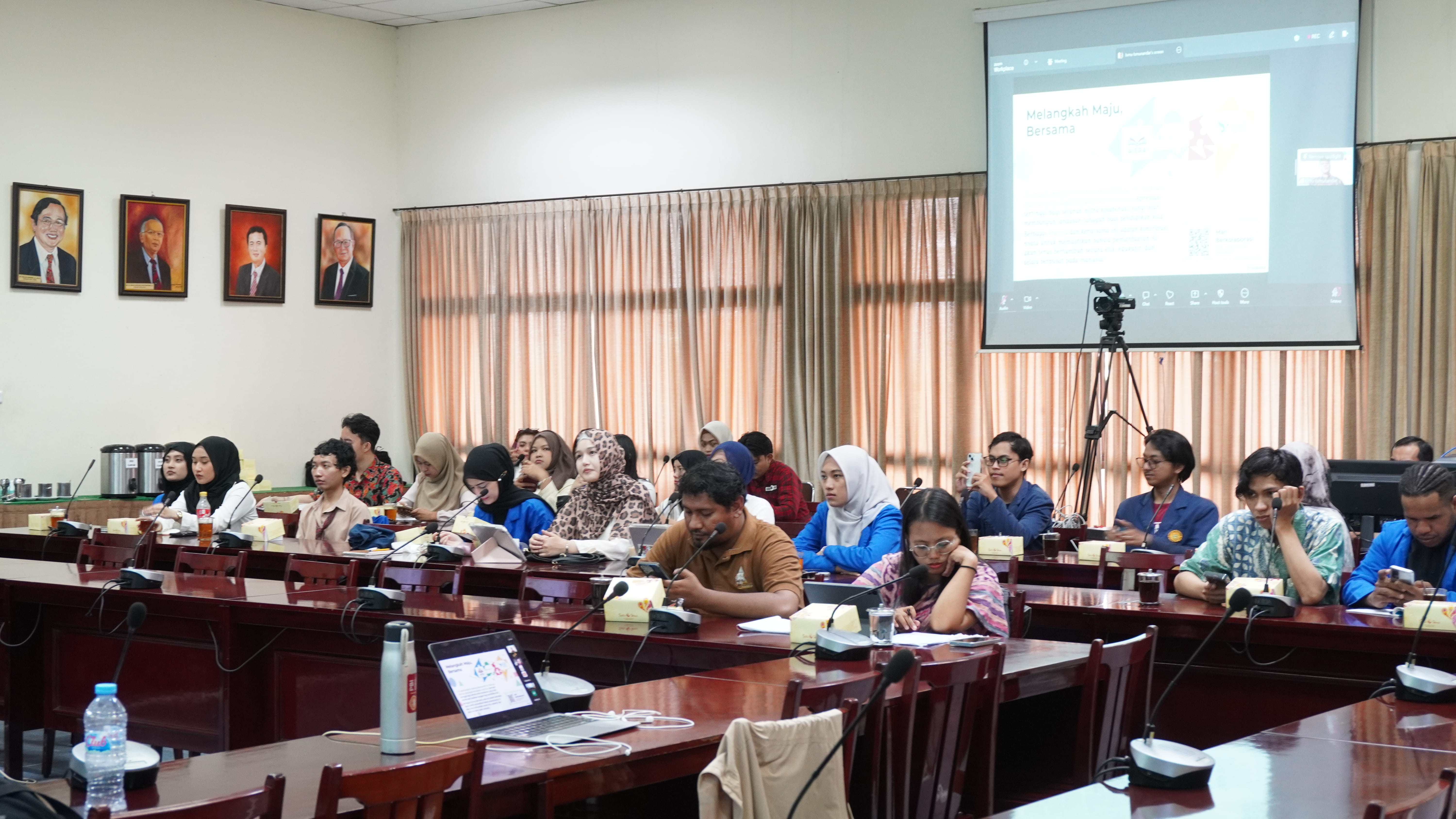
Throughout the event, speakers consistently emphasized that AI should support rather than replace the essential human dimensions of education. Qualities such as critical thinking, creativity, empathy, professional judgment, and meaningful teacher-student interaction remain fundamental elements of effective learning that cannot simply be delegated to technology. Instead, Generative AI should function as a complementary resource that enhances teaching and learning while preserving education's human-centered values.
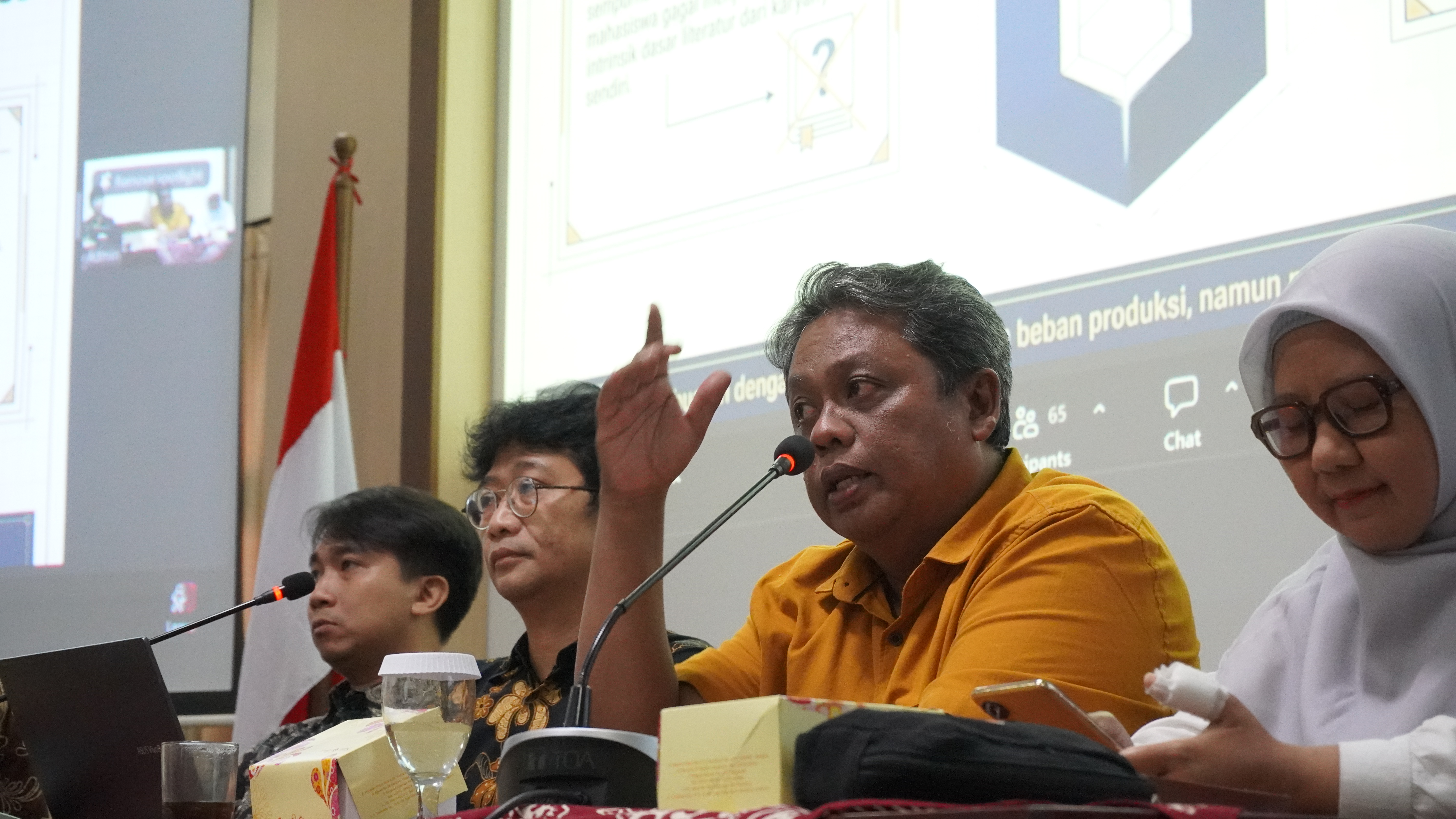
The webinar also reflected MPBI's commitment to strengthening interdisciplinary collaboration in responding to emerging educational challenges. By partnering with Day of AI Indonesia and welcoming participants from five invited universities, the event created opportunities for dialogue across higher education institutions and academic disciplines. The exchange of perspectives encouraged participants to reflect on how educators, researchers, and future teachers can collaboratively develop responsible approaches to AI integration in Indonesian education.
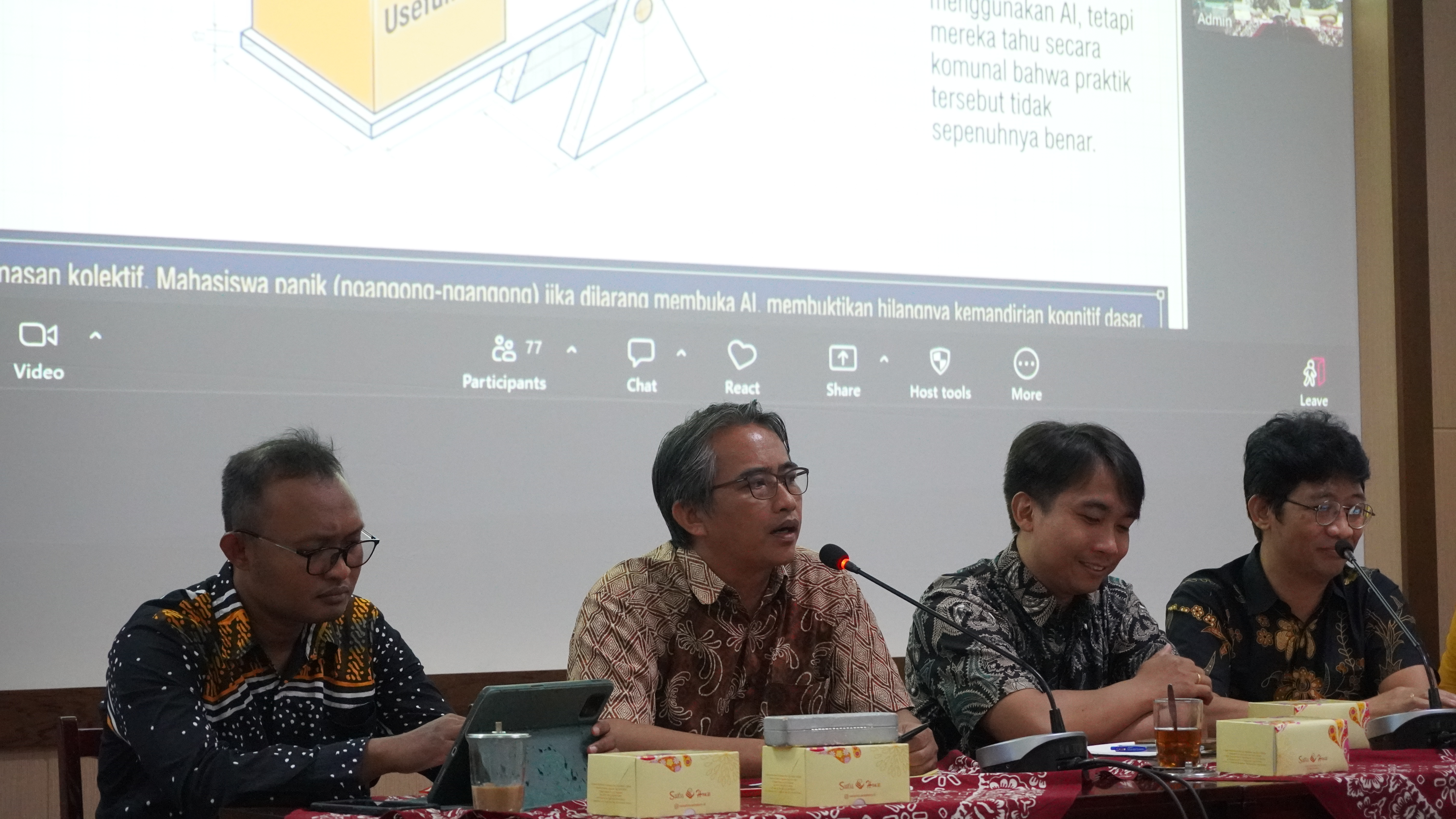
Through initiatives such as this webinar, the English Education Master's Program continues to foster academic discussions that connect educational research with contemporary practice. As Artificial Intelligence becomes an increasingly influential part of teaching and learning, conversations surrounding ethics, evidence-based implementation, and responsible innovation will remain essential in preparing educators who are capable of navigating technological change while maintaining education's core human values.
- MPBI Shares Ideas on SDG 4 and Educational Transformation at International Forum
- MPBI Opens 2026 Scholarship Programme for Outstanding Sanata Dharma Alumni
- Becoming a Living Witness: Master’s Program of English Education, Sanata Dharma University Professor Empowers Lay Ministers in St. Maria Assumpta, Parish, Gamping Through Public Speaking Workshop
- Exploring the Responsible Use of Generative AI in Education: MPBI Hosts National Webinar on Ethics, Practices, and Collaboration
- English Mastery and Mindful Pedagogy: Sleman Educators Navigate Digital Friction at SMAN 2 Ngaglik
- Generative AI for Education: Ethics, Practices, and Collaboration
- Inspiring Story: Teacher Yooyee’s Transformative Learning Journey in Yogyakarta
- Inspiring Story, International Perspective: Thai Teachers Experience Transformative Learning in Yogyakarta: A Reflection from Teacher Puy
- AI Based Social Media Content Design Training
- Grit, Growth, and "Getaran Cinta": MPBI Alumni Reunite for a Heartfelt Q-MASH Session